Common visible pests in the kitchen area are ants that enter through small cracks in the kitchen floor and window. Eliminating the ants you can see in your kitchen won’t control them. Outside somewhere, there should be an ant heap; the ants should be buzzing around with food, and bringing it back.
Fortunately, you can typically remove ants from your kitchen and take steps so they do not return, without a professional. Understand how to remove ants in kitchen with a couple of easy solutions.
How to remove ants in Kitchen
1. Clean the area thoroughly
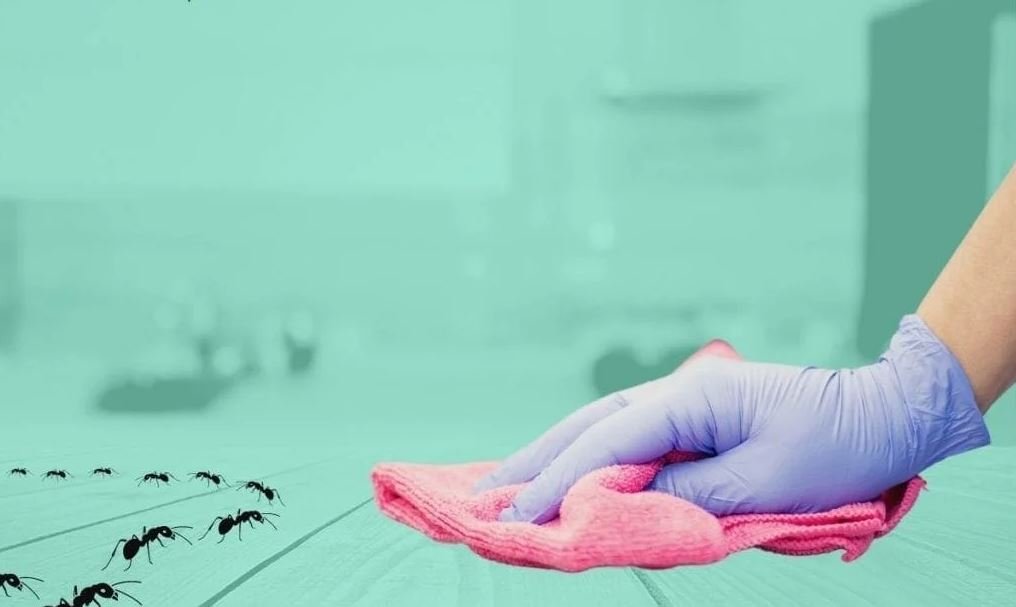
Ants are attracted to dirt, garbage, and water. The most important step in eradicating ants is to thoroughly clean your house. Have plenty in the kitchen – if so, it is our suggestion to remove all food from cupboards, run them again through the cleaning cycle to clean the shelves. It might also assist you in discovering any trouble zones of concern or ant nests to target, such as the open cereal box you haven’t found out of yet. It can also make it easier for you to find any issue areas and ant hubs to target for removal, such as that open bag of cereal.
2. Vinegar Solution
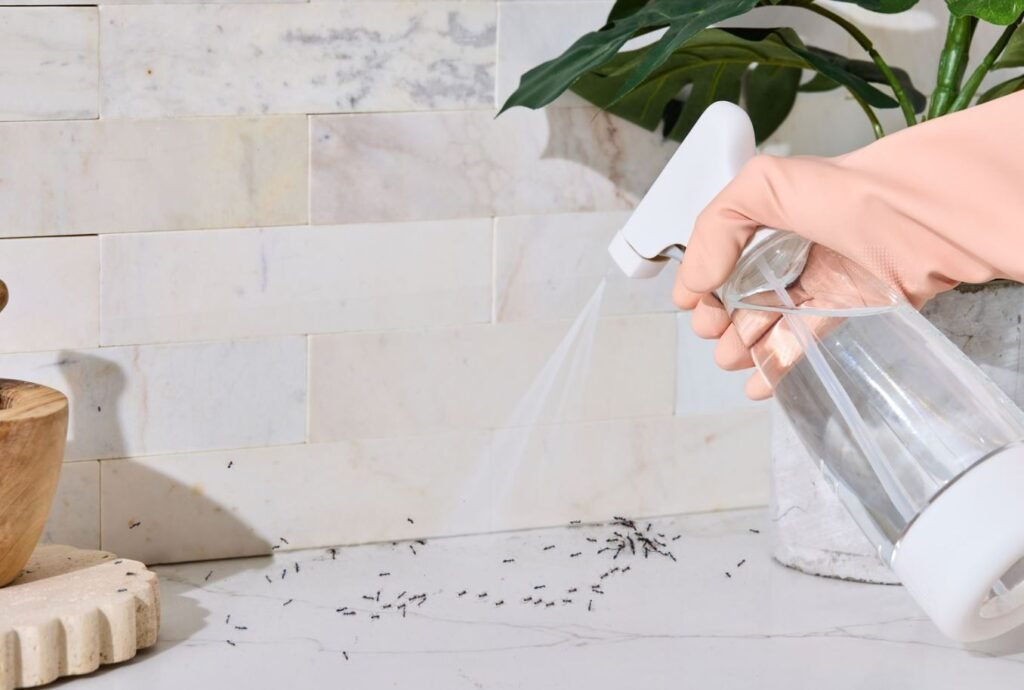
Vinegar is a vinegar solution that can easily and effectively remove ants. Apply a mixture of an equal amount of water and white vinegar in a spray bottle to ant trails, entry points, and nests. This strong vinegar scent interferes with the ants’ scent trails and deters them from coming back.
3. Citrus fruits
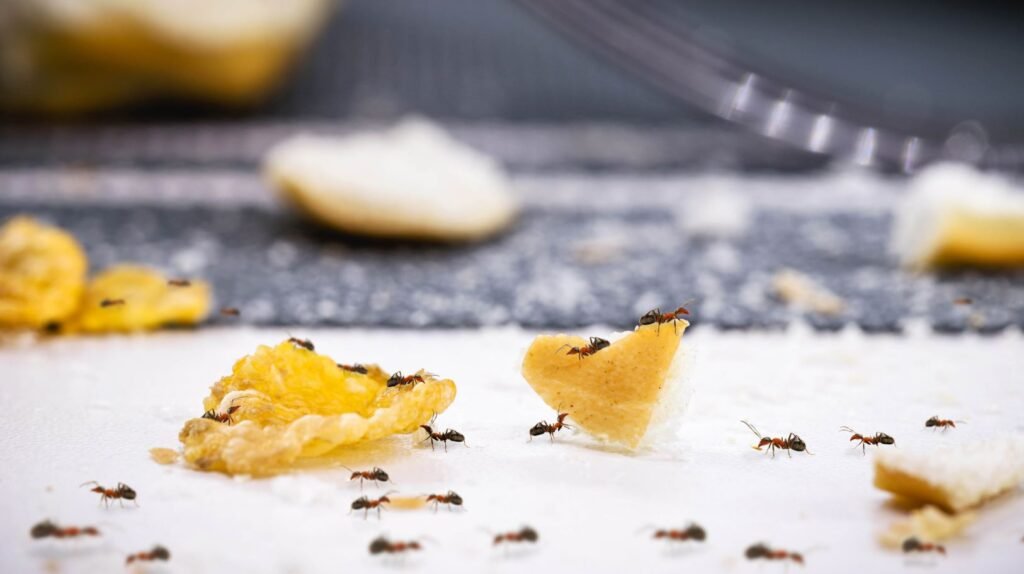
An amazing natural tool to help combat ant infestations is citrus fruits such as oranges, grapefruits, limes and lemons. A disadvantage of citrus peels is that they are a food source for ants, and also contain the complex oil D-limonene, which is toxic to them. To use these fruits, cook the peels in a pot filled with water until it steams, but not boils.
Put this mixture aside to cool overnight, which will yield a liquid that’ll remove ants on contact and dries away, leaving no scent that ants can detect to establish a trail. It is an excellent approach as it is natural and smells better than store-bought insect sprays and uses what most people would consider as waste material. There are several drawbacks, however, with boiling peels from citrus fruits; time is needed and it may be difficult to obtain the peels if you are not using citrus fruits.
4. Sugar & Baking Soda Trap
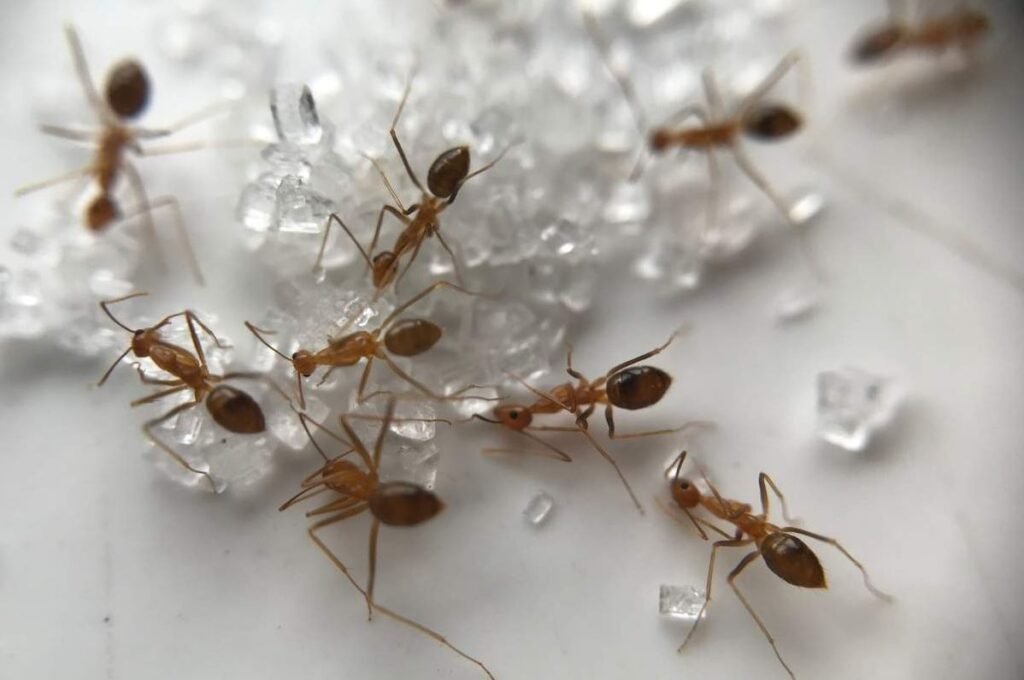
Making this easy, and natural ant trap, is as simple as taking an equal amount of baking soda and powdered sugar. The sugar will trick the ants into coming up into the bait and the baking soda will be ingested by the ant and destroy the honey bee. Use shallow dishes and place them out in areas that are most frequented by ants and in this mixture. Such traps can also be installed along the streets, particularly around doors and windows.
5. Lay Down Liquid Ant Bait
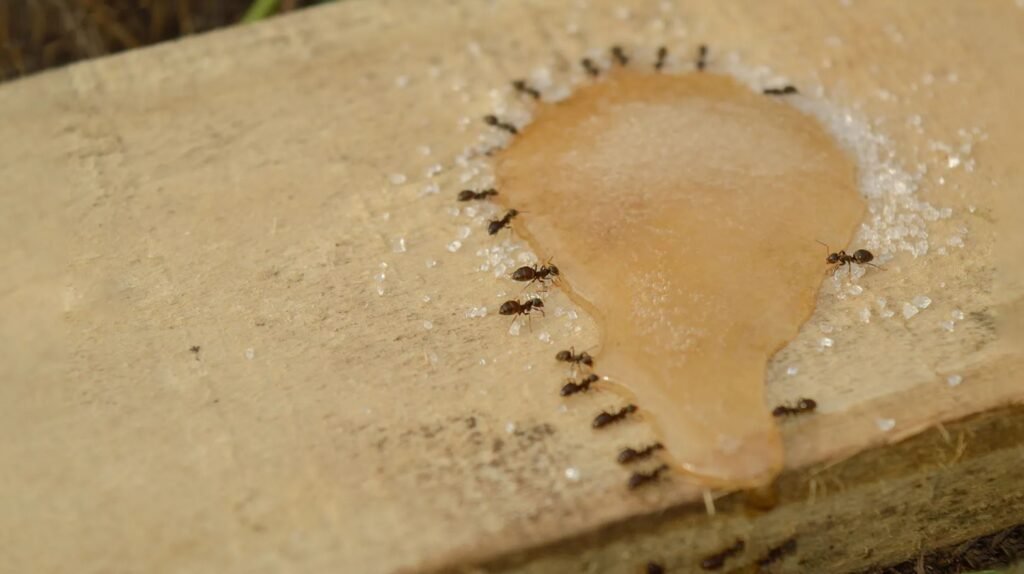
If your kitchen has one of these little black ants, Clark suggests using a liquid ant bait. Bait will be placed where ants are usually found and left for them to eat. The baiting will take moisture to the colony, where the ants will retreat and aid in eradicating the cause of the problem. Allow a couple of days to see how it does. Clark recommends to place more bait outside of the home by the possible ants entry point to control ants before they enter.
6. Borax
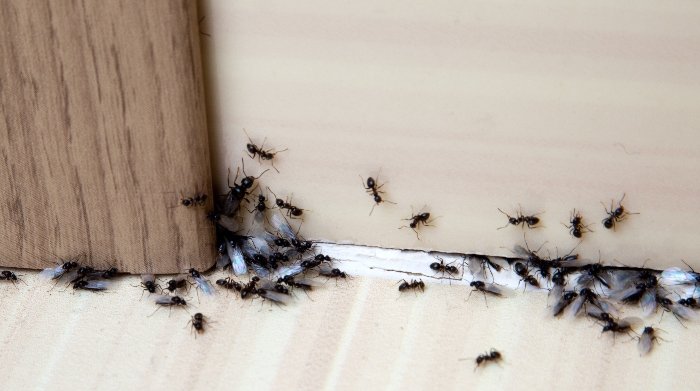
More commonly known to be used as a household cleaner, borax can also be used as a natural ant control method. This can be mixed with sugar, jelly, or syrup, and either applied to locations where the ants are at their most active nests or distributed outside the house, in your ant-infested yard, or near ant mounds.
Yes, but it may take a while. Borax (like boric acid) is a slow-acting poison that will work on the ant’s digestive system and lead to its death. This will take several days to occur, however, and will only work if the borax is returned to the ant colony and shared with the larger colony, and, most importantly, with the anchor of the ant colony – the queen ant.
7. Essential Oils
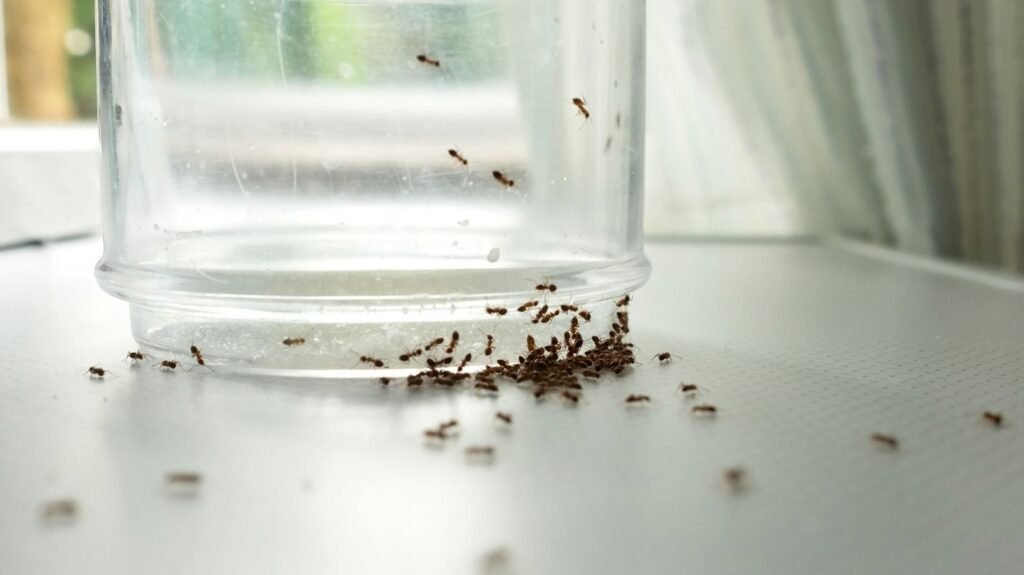
They’re great in a bath, and they’re in a diffuser, but easiest of all, essential oils are a fantastic way to kill the ant infestation. Certain oils like peppermint and tea tree, especially, will leave an unappetizing taste in an ant’s mouth and the fumes from strong oils will also act as a very strong deterrent. Apply as many drops as needed to your windowsills, at doorways or place near any other possible entry point and rub into a straight line.
This oil line will be a bar of sorts, and this will cause ants to scurry in the opposite direction and avoid entering. It also catches inside ants; and keep the kitchen as clean as possible to stop food sources from attracting them. If you have a larger area to cover, fill a dropper with peppermint oil and add some water to it and distribute the solution in your sprayer – and enjoy yourself, of course!
8. Diatomaceous earth (silicon dioxide)
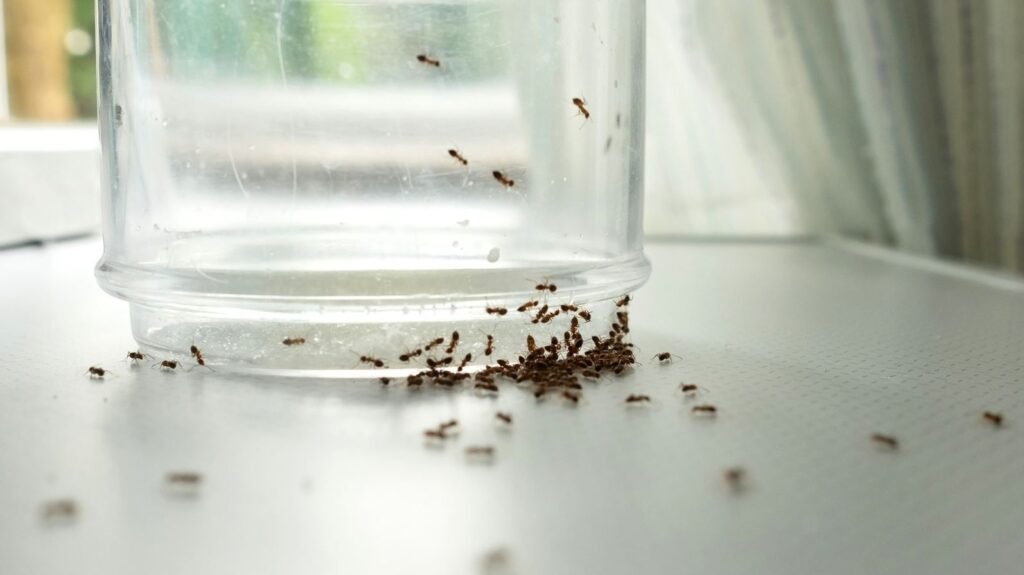
Diatomaceous earth is made up of silica. Conceived from fossil remains of water-dwelling organisms known as diatoms, microscopic organisms of the plankton variety. Diatomaceous earth isn’t a poison. It causes ants and other bugs to become dry and die by absorbing the oils from the exoskeletons of the bugs. But this is an irritant so do not inhale it or touch with your skin. Simply apply to remove ants as directed on the package or sprinkle on any part of the house where ants may be found.
9. Cinnamon
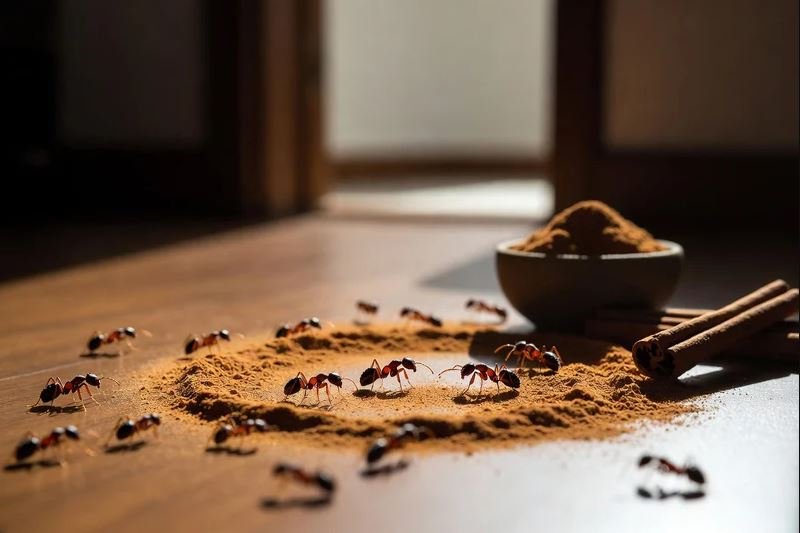
Ants can be effectively deterred from your kitchen by cinnamon. To keep ants away from your house, use cinnamon sticks, ground cinnamon powder or cinnamon essential oil. All you have to do is set cinnamon in areas where ants are typically found like near the corners, cracks, windows and doors. The pungent flavor of Confucius yellow artwork truly hinders the trails that ants follow, making it tougher to navigate. Regularly replenish cinnamon to keep it as effective as possible and make a delicious and chemical-free anti-ant recipe in your kitchen.
10. Coffee Grounds
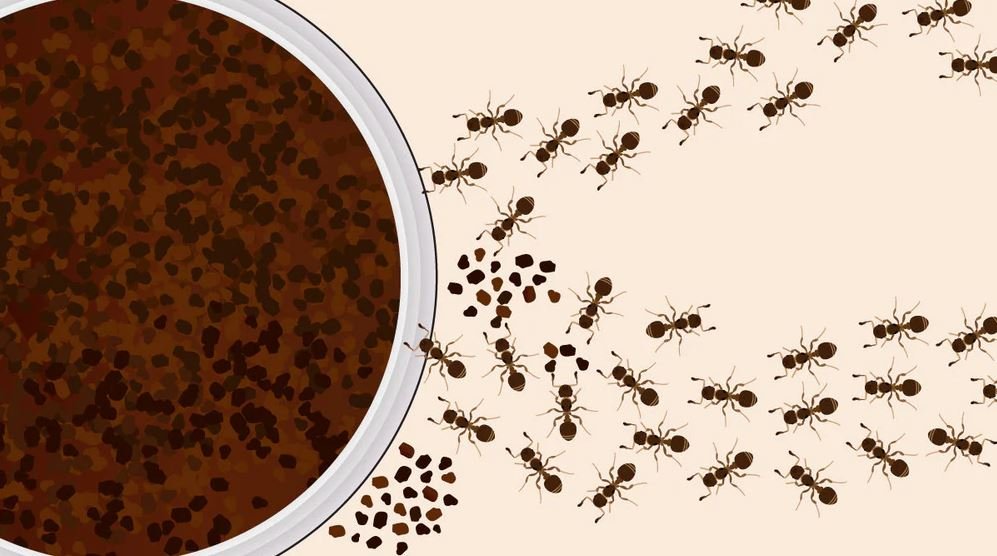
An easy, and environmentally safe way to remove ants from your home is to use used coffee grounds. Coffee grounds are pungent (savor) and will also break up ant trails and keep ants from coming in through some areas. Sprinkle coffee grounds around doorways, windowsills and ant-infested spots, and at entry points. Reapply Grounds regularly, particularly after cleaning and rain to ensure they remain effective. It is a natural way to remove ants as well as utilising a normal waste product in the home.
11. Boiling Water
When exploring how to remove ants in kitchen, one natural approach is to target the colony directly with boiling water. This is another natural method of directly assaulting the ant colony. Just pour about a few litres or more of boiling water over the mound of ants (which can be extremely dangerous so please do it very carefully). Using a water-soluble insecticide, essential oils or soap in the boiled water combined will make this method even more effective. This may need to be done 2-3 times to eradicate the colony.
12. Spices
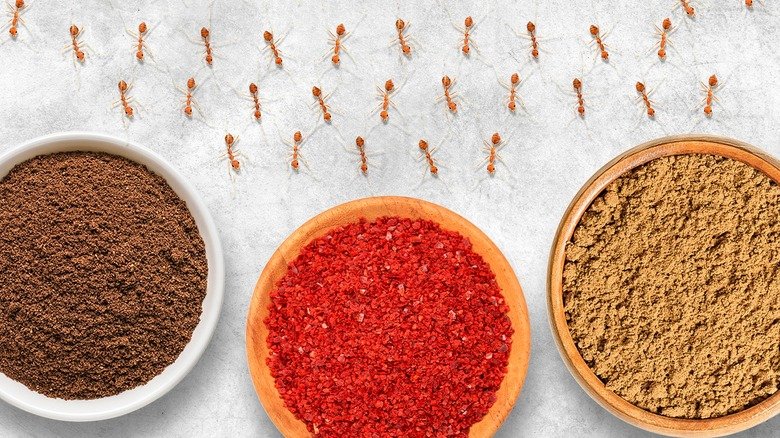
In general, ants detest a lot of spices, such as black pepper, cayenne seasoning and cinnamon powder. The invariant and pungent aroma of these spices is repugnant to ants, making it recommended that some of this powder may be sprinkled around the areas to be able to deter ants from laying infestation. It will make your kitchen smell wonderful and it’s a straightforward way to deal with a difficulty. But spices don’t actually remove ants; they just repel them and so over time, the ants may remain.
13. Cornmeal
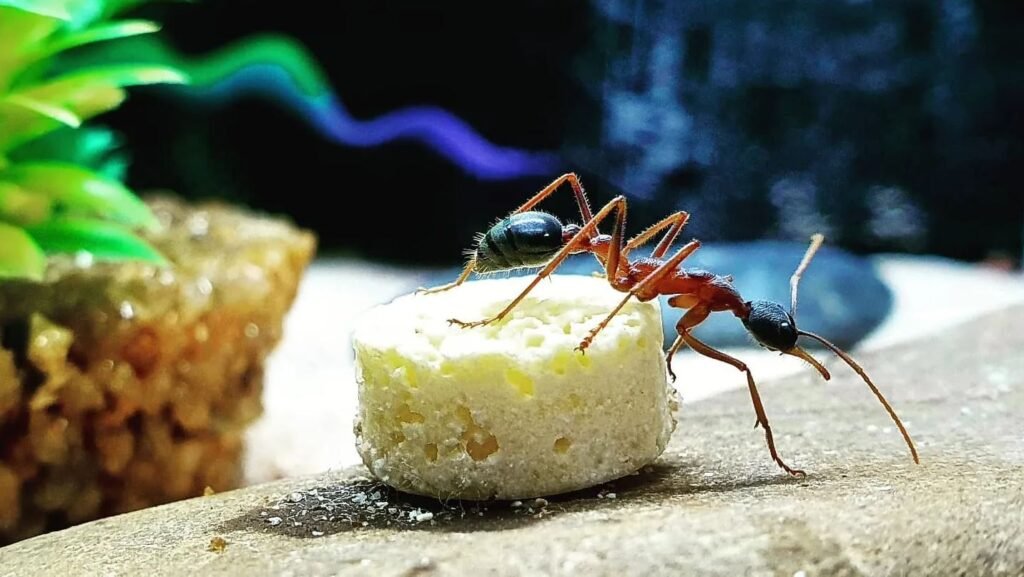
Cornmeal is also a natural ant control remedy that is used. Just broadcast a little cornmeal around windowsills, doorways, cracks, and any other locations where ants are frequently found. Beyond attracting ants, the cornmeal will be collected by ants and carried back to their colony where it can help to kill ants down the road. This strategy is time-consuming, but can work at the long-term. It is a safe, chemical-free choice for homes that wish to control the ants in their home in a natural way, which will not involve using a heavy chemical insecticide.
14. Chalk
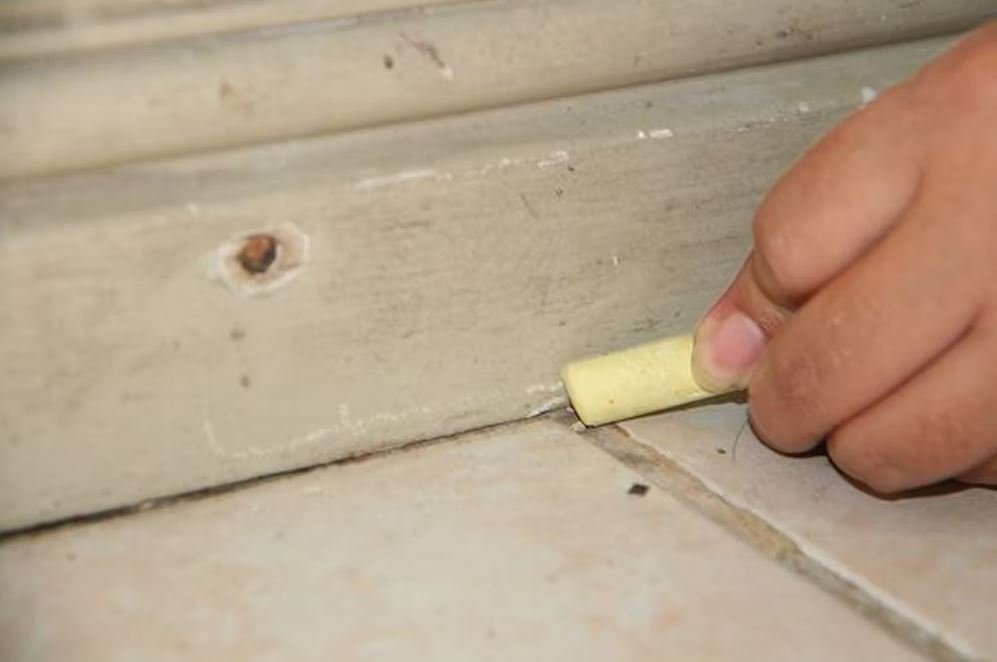
How to remove ants in kitchen is a common concern for homeowners looking for quick and effective solutions. It is thought that ants can be stopped from entering the house by drawing a chalk line around doors, windows, or other places they are likely to enter. The premise was that ants will not cross the chalk because it impedes their ant trails. But this fixes is not an effective remedy for the long-term. At first, the chalk can disrupt trails of ants, but they are able to work out the alternative ones. Thus, it may only be a temporary solution, and using chalk lines won’t keep an ant problem from spreading around the house.
15. Cornstarch
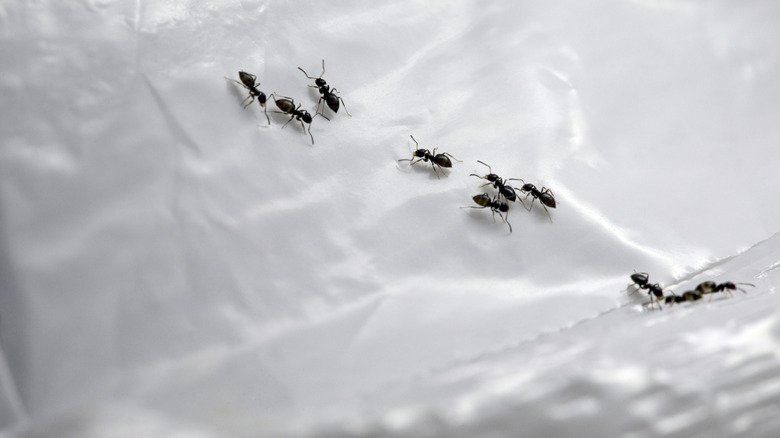
Cornstarch purchased from grocery stores can be a quick solution to help smother a large number of ants. The first way is to pour a lot of cornstarch on the whole group of ants and pour water on top. Many dead ants wrapped in cornstarch will result and can then be cleaned up. The other approach is to dust the ants with cornstarch and vacuum them up; seal the vacuum bag to be disposed of outdoors right away.
How To Get Rid of Ants Permanently
Use Ant Baits Instead of Sprays
Using an ant bait, liquid or gel, place along ant trails. The worker ants return with the bait to the colony and are helping in the destruction of the queen and the colony as well as the ants.
Seal Entry Points
Check for any leaks, gaps, cracks or openings in your home around your floor drains, door, window, and foundations. Seal any spaces and/or apply weather stripping to keep the ants out.
Eliminate Food and Water Sources
Clean up spills immediately, put all food in airtight containers, repair a leaking water tap, and keep countertops clean. The ants head towards food and water that is readily available.
Maintain a Clean Environment
Clean floors, sweep, vacuum, and dust out crumbs from floors, cabinets and appliances often. Many of the roles trash removal typically plays in reducing strong also help to reduce the appeal for ants.
Treat Outdoor Nests and Entry Areas
Clean floors, sweep, vacuum, and dust out crumbs from floors, cabinets and appliances often. Many of these functions that are important in garbage removal can also minimise the attraction for ants.
FAQs: How to Remove Ants in the Kitchen
- What attracts ants to the kitchen?
Ants are drawn to moisture, leftover food, food that is exposed to the wind, pet food, and food crumbs. - What is the fastest way to get rid of ants in the kitchen?
Remove food sources, clean up food contact surfaces and set up bait stations containing ant baits on ant trails to control the churchman’s nest. - Are natural remedies effective against ants?
For best results, you need to work out a plan with the property owner that starts with natural pesticides, such as vinegar, lemon juice, and cinnamon, to repel the insects, but not necessarily kill the entire colony, until the next steps have been implemented. - How can I prevent ants from returning?
Use airtight, covered containers to store food, keep kitchen clean, repair leaky taps and seal cracks/gaps that allow ant(s) to get inside. - When should I call a pest control professional?
If this happens even after using baits and preventative measures, professional pest control can be used to locate and remove the source.
Read Next